
Yamaha XSR900 Cafe Racer Guide: Generations, Kits and Real Builds
The references listed below support the regulatory, safety, and manufacturer statements in this guide. Any dollar figure is an editorial planning estimate based on typical scope, not a quote and not taken from those references, unless a current official price is explicitly cited at that point in the text. Confirm fitment, safety, legality, availability, and current pricing for your exact vehicle before you buy or commission work.
An XSR900 cafe racer starts with the exact donor, then a plan for its bodywork and riding position. The original XSR900, the redesigned 2022 model and a factory XSR900 GP need different parts checks. Decide whether you want a few coordinated changes, a model-specific body kit or a commissioned build before buying components.
Use the comparisons and documented projects below to prepare an XSR900 build brief. The motorcycle fabrication, paint and exhaust directories can help you identify the work to discuss with a shop.
Choose the Right XSR900 Generation
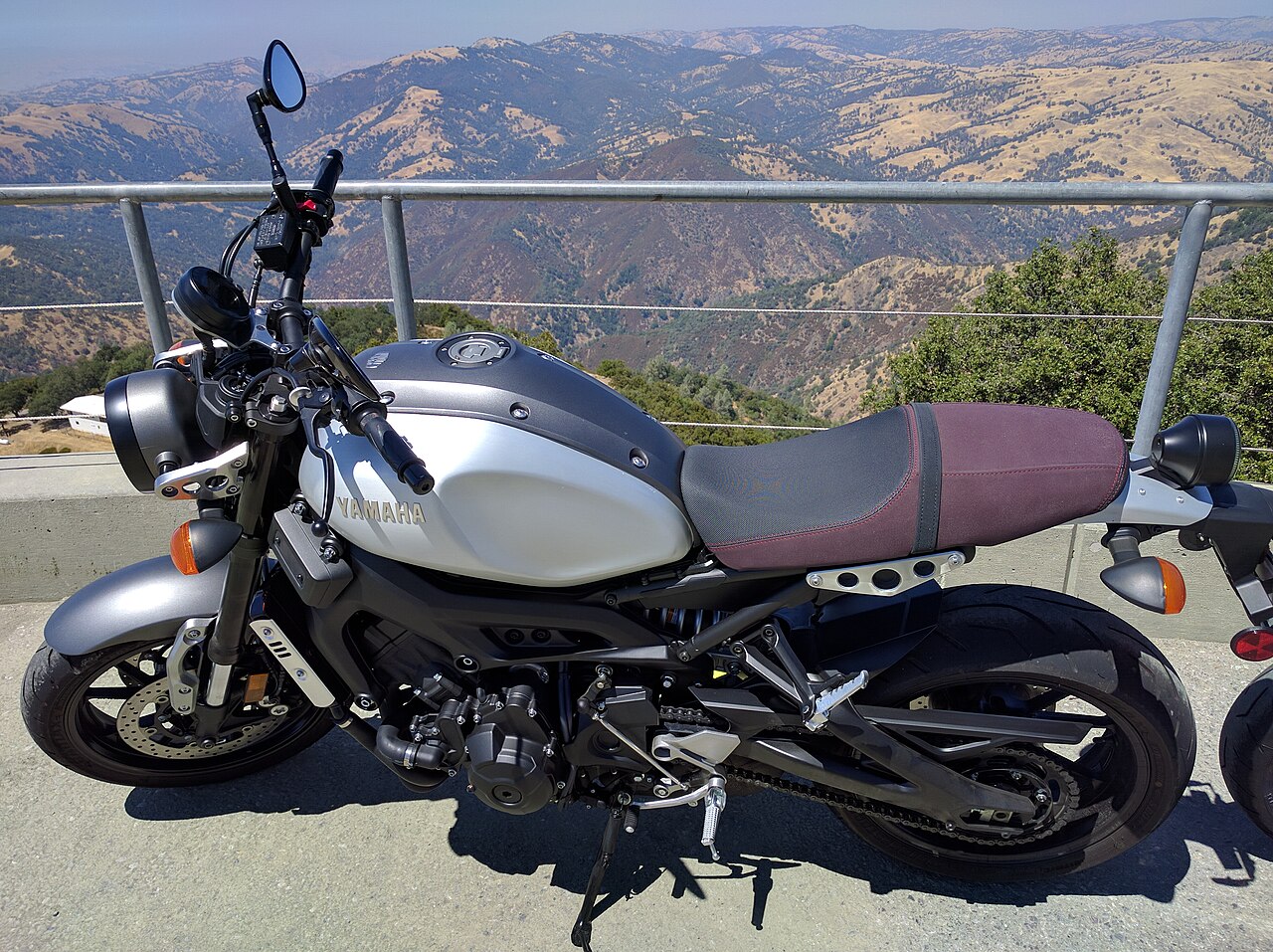
A 2016 Yamaha XSR900, shown as an original-generation reference. This is a separate motorcycle from the Auto Fabrica and ByJMR projects described below.
2016 Yamaha XSR900 by O1dm0n · CC BY-SA 4.0. Resized by Wikimedia; no crop or other editorial edits.

The model name alone is not a fitment specification. These are useful checkpoints, rather than a complete interchangeability chart. Match the year, market and variant on your motorcycle to the supplier's application list.
| Donor checkpoint | Published distinction | What to check for your build |
|---|---|---|
| Original generation, introduced in 2016 | Yamaha's history identifies the first-generation model; its 2018 Type 11 feature specifies the 847cc three-cylinder platform. | Buy bodywork, seat mounts and controls for the original generation. |
| 2022 redesign | Yamaha's launch record describes a new frame, revised bodywork and IMU-based electronics. | Treat earlier fairing, tail and instrument brackets as unconfirmed fitments. |
| 2026 US XSR900 | Yamaha lists an 890cc engine; its features page describes a five-inch TFT and updated rider controls. | Confirm the instrument mount, switches and exact equipment when a kit lists earlier years. |
| 2017 XSR900 Abarth | Yamaha announced a limited factory cafe-racer edition for 2017. | Identify Abarth-specific bodywork and controls rather than assuming standard-model parts. |
| XSR900 GP, introduced for 2024 in Europe | A separate factory faired model, also used for Yamaha's Back to the Paddock projects. | Verify GP-specific fitment and local model availability with the supplier or dealer. |
The checkpoints come from Yamaha's first-generation history, 2018 Type 11 announcement, 2022 launch record, 2026 US specifications, 2017 Abarth announcement and 2024 GP project overview. The Japanese and European records establish those model milestones; they are not US accessory-approval lists.
There is a practical reason to inspect the actual motorcycle: Yamaha's current US features page and specifications page differ on rear-shock adjustment and the named tire model. Confirm fitted equipment before ordering replacements. The 2026 features page is the source for the five-inch display above.
Two Documented XSR900 Builds
Auto Fabrica Type 11 Prototype Two
Auto Fabrica identifies Prototype Two as the XSR900-based, road-oriented counterpart to its track-focused Prototype One. Its headlight and body design are part of a coordinated bespoke motorcycle, rather than a universal fairing kit. Yamaha documented the Type 11 project in April 2018.
The naming matters: Yamaha's full project account identifies Prototype Three as an older XS750-based machine. Parts and specifications from that bike should not be assigned to the XSR900 prototypes. Study Prototype Two's original photographs for the overall design, then ask a builder how it would produce and mount your own panels.
ByJMR Design's YZF750-Inspired XSR900
Yamaha's interview with Josh Merrill documents a build based on the redesigned 2022 XSR900. Merrill selected 1992 YZF750 Works-style bodywork from AirTech Streamlining and made the installation parts, including mounting brackets and the display mount. The account credits FineLine Design for paint and Inline4 Design for decals.
This is a 1990s race-inspired custom, useful for understanding the fabrication behind a faired XSR900. The interview describes a completed bike that had been ridden, while mentioning a possible future customer version with a headlight. Treat it as design and installation evidence; the feature does not establish a ready-made street kit or an open commission slot.
Both projects link to their publishers' original photographs. The reference photograph in this guide depicts a separate motorcycle.
A Specific XSR900 Cafe Racer Kit to Investigate
HooBue's C-S kit upgrade listing identifies a 2022–2024+ application and names a fairing, belly pan, single-seat cover and top-triple-tree cover. It also lists installation brackets and explicitly excludes clip-ons.
The seller describes mounting to original fixing points without cutting or drilling. That is the seller's claim for the listed application, not confirmation for every later model or the GP. Send the seller your model year and photos of the instrument and cockpit before ordering, especially for a 2025 or 2026 motorcycle.
The page still contains an October 2024 dispatch note. Get current stock, production timing, included hardware, finish and return terms in writing. A quoted kit price should also specify currency, shipping and the installation work your shop will charge separately.
Plan Bodywork and Riding Position Together
| Work area | Details to agree before ordering | Evidence to request from the shop |
|---|---|---|
| Fairing, headlight and instruments | Mounting points, instrument position, lamp choice and access for servicing | A mockup showing steering clearance, hose movement and readable instruments |
| Bars, seat and foot controls | Rider reach, passenger use and the final relationship between all three contact points | A fit session with the proposed controls before paint or final assembly |
| Seat and tail | Seat latch, removable cowl, lighting mounts and tire clearance | How the assembly fits and how it can be removed for maintenance |
| Paint and graphics | Panel materials, repaired areas, color samples and artwork | Approved samples and a trial assembly before the panels are finished |
| Exhaust and mechanical work | Exact system, existing modifications, required supporting work and intended use | The supplier's application details and a written installation and testing scope |
A bodywork package can require several suppliers even when it uses existing mounts. Ask who takes responsibility for bringing the fairing, controls, lighting and wiring together. The ByJMR example is particularly useful here: the body design and its installation hardware were separate pieces of the job.
Build a Budget from an Itemized Quote
Start with the donor and an inspection of its condition. Then request separate amounts for the body kit or custom panels, mounting work, controls, lighting, finish, mechanical work and final assembly. Include shipping and any work needed to correct previous modifications.
Agree on three approval points: the initial design, the test-fitted assembly and the final finish specification. Ask how the shop will price changes if a purchased part does not fit. Keep a written list of parts to retain or return to you.
The two project features do not provide a representative US conversion price. A kit-only price also leaves out much of a commissioned build. Use the build-brief creator to give shops the same donor details and scope, then compare their itemized responses.
Find a Builder for the Actual Work
Browse builders listing Yamaha experience, then ask for work on your specific XSR900 generation. That search includes broader Yamaha experience and does not certify XSR900 expertise. Use a documented project to discuss panel manufacture, brackets, wiring access and finishing responsibilities.
For a focused job, the fabrication directory and paint directory distinguish reviewed capabilities from work that still needs confirmation. Confirm current project acceptance directly with the business.
XSR900 Cafe Racer Questions
Will a 2016-era kit fit a 2022 or newer XSR900?
Do not assume it will. The 2022 redesign is a separate fitment checkpoint. Ask the supplier to name the exact supported year and variant, and have the installer review mounting points, controls and instruments.
Is an XSR900 GP the same as a converted XSR900?
The GP is a factory model with its own equipment and bodywork. A cafe conversion of a standard XSR900 is a separate project. A standard-model kit listing does not establish GP compatibility.
Does a cafe kit include clip-ons and installation?
Check the individual listing. The reviewed HooBue package excludes clip-ons; its parts list is not an installation quote. Request a complete bill of materials and labor scope before committing to the design.
Can XSR700 parts be used on an XSR900?
Treat the XSR700 as a separate application. Shared styling or a common supplier does not establish matching mounts, dimensions or electrical connections. Confirm each part by its exact application and number.
Sources Checked
Reviewed September 14, 2026. Factory information, supplier statements and project accounts are attributed separately. The photograph has its own credit and license; it does not depict either named custom build.